

Shade Netting Calibrated sun protection from 30% to 90%
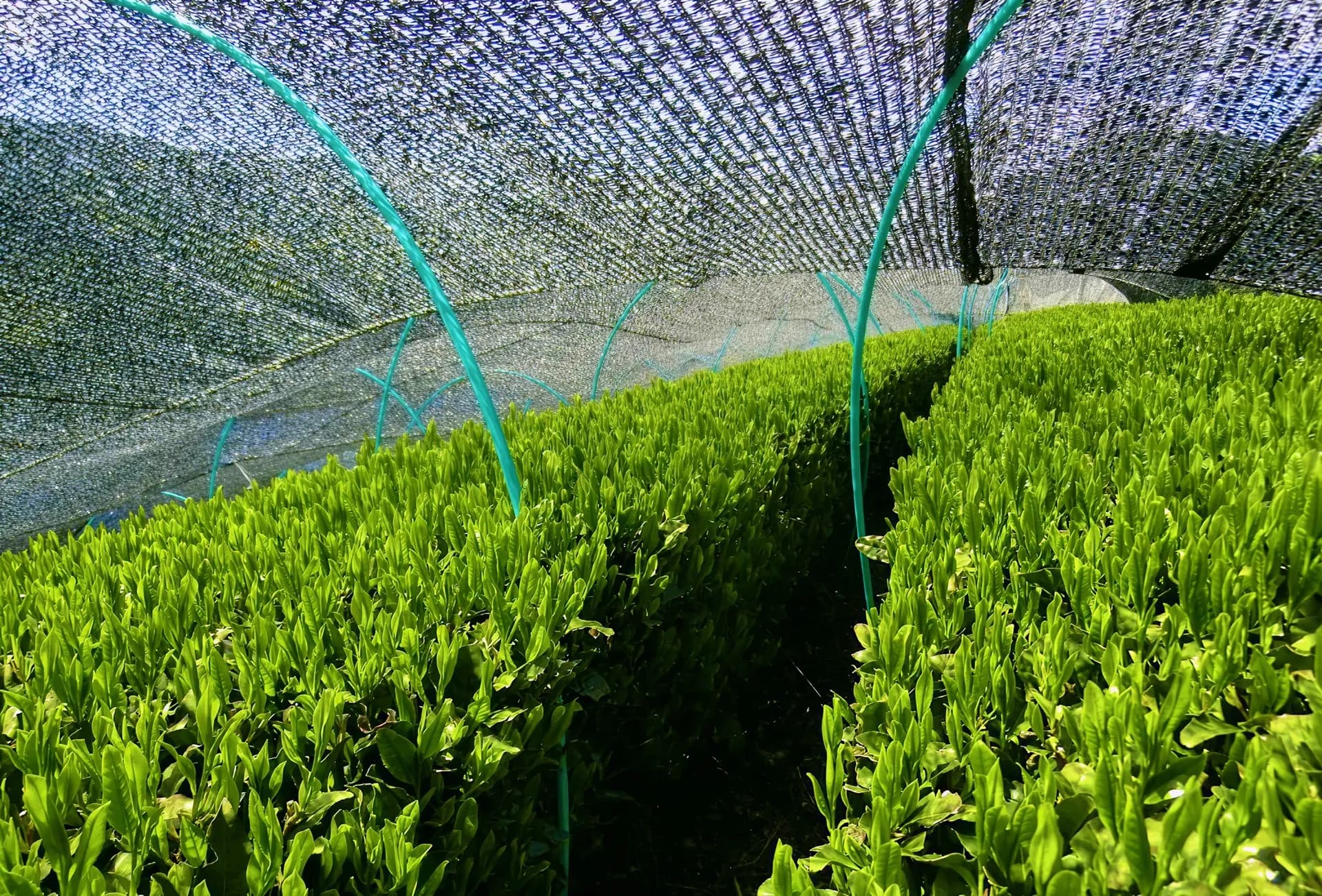
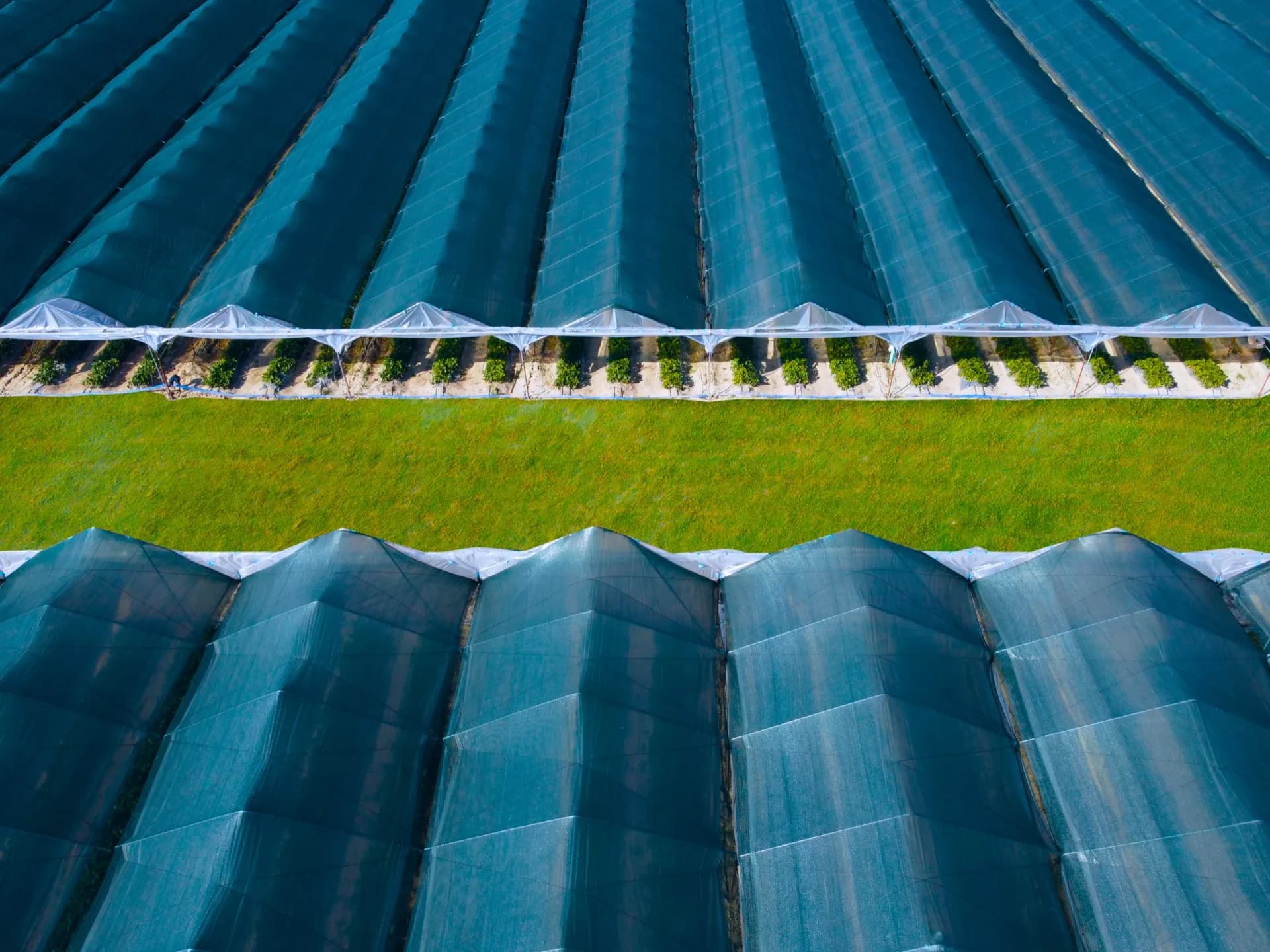
Protect your crops from excess solar radiation with our HDPE leno shade netting (shade cloth), with shade factors from 30% to 90% in multiple colours. Ambient temperature reduction of 8 to 12°C.
EU
How HDPE leno shade netting works
Textil Villa de Pego shade netting selectively filters solar radiation, reducing ambient temperature by 8 to 12°C without penalising photosynthetically active radiation (PAR).
Benefits of
agricultural shade netting
Calibrated solar reduction (30–90%)
calibrated (30-90%)
Precise shade percentages for every need: from a light 30% filter to dense 90% shade. The percentage is determined by the density of the leno weave.
Temperature reduction 8–12°C
8-12°C under the net
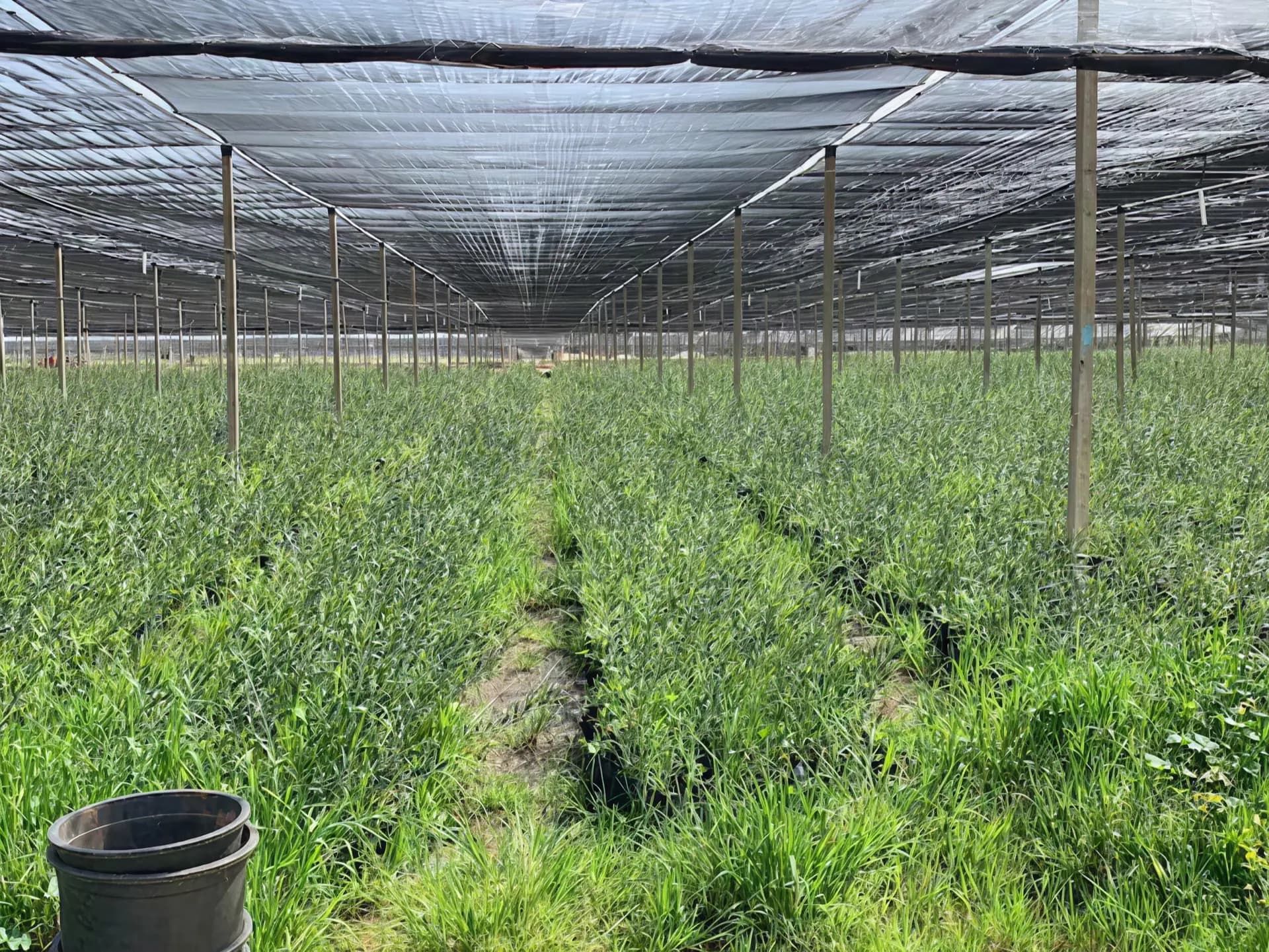
Shade netting creates a microclimate beneath the canopy with significantly lower temperatures, reducing thermal stress on the crop.
Multiple colours and functions
and specific functions
Black (maximum shade), green (landscape integration), white (reflects infrared, less heating) and aluminised (maximum heat reflection).
Custom fabrication
made to measure
Custom dimensions with perimeter reinforcements and hems adapted to your installation structure.
Verified UV stabilisation
verified
HDPE stabilised against UV radiation for maximum durability under intense Mediterranean solar radiation. Estimated service life of 5 to 8 years.
Sunburn protection
sunburn
Reduces the incidence of sunburn on fruits and vegetables, preserving the visual quality and commercial value of the harvest.
Ideal for organic farming
organic farming
100% physical protection with no chemical residues. Compatible with certified organic farming operations and integrated production protocols.
Fewer
pests without chemicals
Light-coloured shade netting (white, silver) filters part of the UV radiation that guides aphids, whitefly and thrips towards the crop. Research at the Volcani Center (Israel) with photoselective nets documents significant reductions in the presence of these insects. A complement to anti-thrips netting in integrated protection strategies.
A guide to shade netting percentages by crop
Select the appropriate percentage based on the crop and climatic zone. Our technical team can advise you for your specific case.
30% shade
Greenhouse vegetables in summer. Light filter that reduces temperature without limiting photosynthesis. Ideal for tomato, pepper and cucumber.
45% shade
Summer vegetables and field crops. Moderate protection that keeps PAR light transmission high to maximise production.
50% shade
Young plant nurseries, leafy crops and lettuce. Balance between thermal protection and PAR light transmission.
60% shade
Ornamentals, indoor plants and cut flowers. Medium protection suitable for species that tolerate partial shade.
65% shade
Floriculture and partial-shade plants. Significantly lowers the temperature while keeping enough light for vegetative growth.
80% shade
Car parks, rest areas on farms, temporary storage. Dense shade for personal comfort and material protection.
90% shade
Intensive protection for cuttings, seedbeds and plants highly sensitive to direct radiation. Maximum temperature reduction.
Not sure which percentage to choose?
Request free technical advice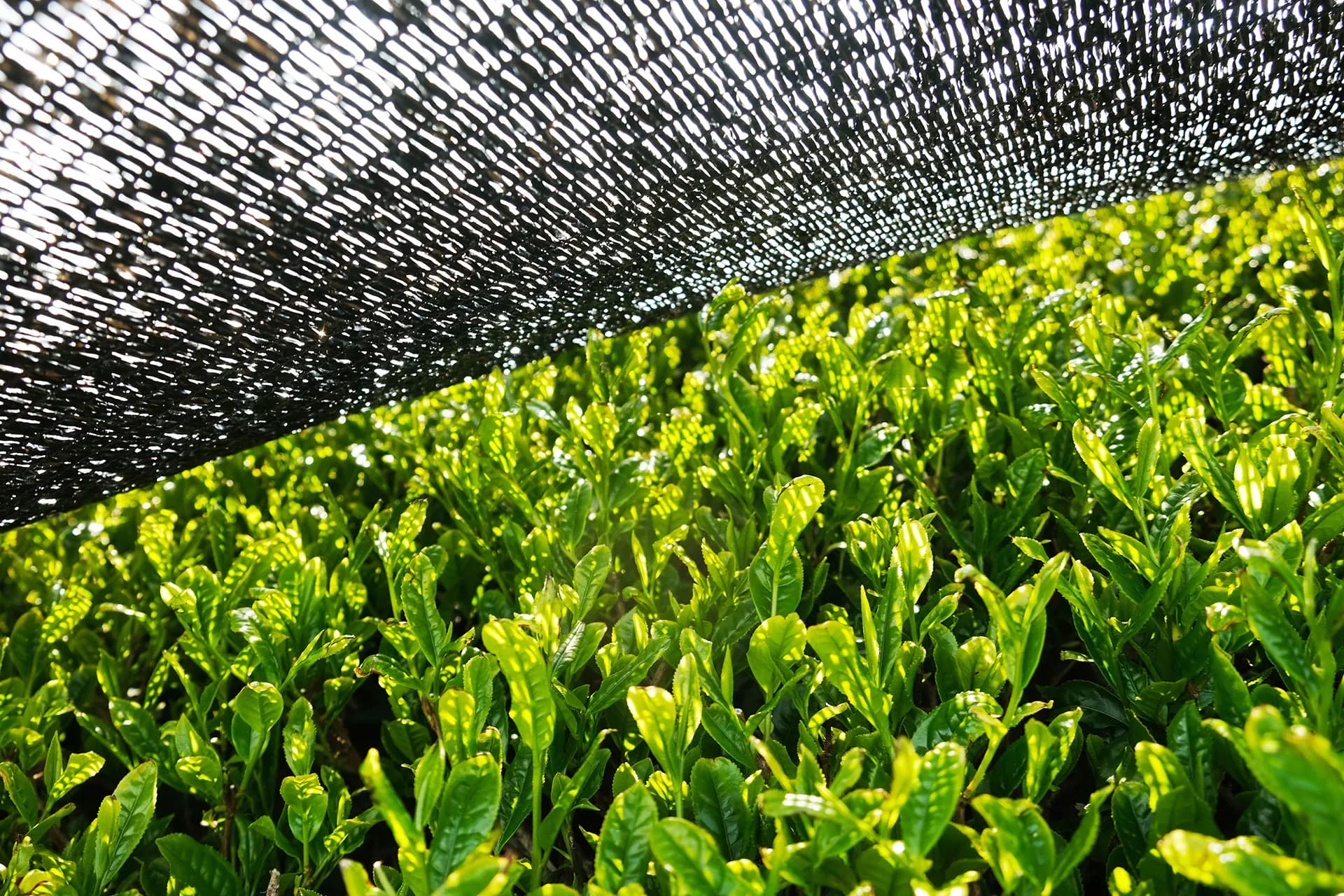
Technical specifications of
HDPE polyethylene shade netting
Material
High-density polyethylene (HDPE)
Weave
leno (monofilament and/or flat tape)
Shade percentages
30%, 50%, 60%, 70%, 80%, 90%
Weight
40 – 180 g/m² (depending on percentage) ±5%
Available colours
Black, green, white, aluminised
UV stabilisation
Yes — estimated service life 5–8 years
Temperature reduction
8–12°C beneath the netting (depending on percentage and colour)
Fabrication
Standard rolls and custom fabrication with hems and perimeter reinforcements.
| Property | Value |
|---|---|
| Material | High-density polyethylene (HDPE) |
| Weave | leno (monofilament and/or flat tape) |
| Shade percentages | 30%, 50%, 60%, 70%, 80%, 90% |
| Weight | 40 – 180 g/m² (depending on percentage) ±5% |
| Available colours | Black, green, white, aluminised |
| UV stabilisation | Yes — estimated service life 5–8 years |
| Temperature reduction | 8–12°C beneath the netting (depending on percentage and colour) |
| Fabrication | Standard rolls and custom fabrication with hems and perimeter reinforcements. |
Specifications shown are indicative. Refer to the product data sheet for definitive figures.
Values shown are indicative and subject to manufacturing tolerances (±5% dimensional, ±10% mechanical). Data does not constitute contractual specifications.
Available colors
Agricultural shade netting: crops and applications by sector
Textil Villa de Pego shade netting adapts to any crop and structure. Select your application.
Nurseries
Protection for young seedlings and cuttings in the rooting phase. 50–70% percentages to balance light and thermal protection.
Learn moreHorticulture
30–50% shade for greenhouses and tunnels in summer. Reduces interior temperature without penalising tomato, pepper and cucumber production.
Learn moreOrnamentals
60–80% shade for cut flowers, indoor plants and ornamental crops sensitive to direct radiation.
Learn moreCitrus
Sunburn protection for oranges and mandarins. 30–50% shade to reduce sunburn without limiting fruit development.
Learn moreAvocado
Shade for young avocado plantations. Protects against thermal stress and reduces water demand during establishment.
Learn moreCar parks and rest areas
80–90% shade for personal comfort, vehicle protection and temporary storage areas on farms.
Kiwi
Young kiwi plantations require 30–50% shade to protect shoots from excess direct solar radiation and reduce thermal stress.
Learn moreMedicinal cannabis
Essential light control for medicinal cannabis production. Shade netting regulates the photoperiod and protects plants from excessive solar radiation.
Need the same netting installed vertically?
Textil Villa de Pego screening netting uses the same HDPE leno material but is installed vertically for privacy, perimeter demarcation and visual screening.
Leno netting vs raschel netting:
technical comparison
Textil Villa de Pego weaves exclusively with leno fabric. This table summarises the key differences versus knitted raschel fabric.
Fabric structure
Leno
Threads interlocked with a mechanical twist at every crossing
Raschel
Chained loops (warp knitting)
Service life
Leno
Significantly longer thanks to the mechanical twist and UV stabilisation
Raschel
Shorter — wear on the knit cuts the fabric's life
Tear resistance
Leno
High — damage does not spread if a thread breaks
Raschel
Low — it ladders like a stocking
Shade retention
Leno
Keeps its shade percentage throughout its service life
Raschel
Loses shade percentage as it wears
Long-term cost
Leno
Lower — fewer replacements over the life of the plantation
Raschel
Higher — needs replacing more often
| Property | Leno weave (Textil Villa de Pego) | Raschel (knitted) fabric |
|---|---|---|
| Fabric structure | Threads interlocked with a mechanical twist at every crossing | Chained loops (warp knitting) |
| Service life | Significantly longer thanks to the mechanical twist and UV stabilisation | Shorter — wear on the knit cuts the fabric's life |
| Tear resistance | High — damage does not spread if a thread breaks | Low — it ladders like a stocking |
| Shade retention | Keeps its shade percentage throughout its service life | Loses shade percentage as it wears |
| Long-term cost | Lower — fewer replacements over the life of the plantation | Higher — needs replacing more often |
Indicative data based on Mediterranean climate conditions. Actual service life depends on accumulated UV radiation and fabric weight.
Agricultural shade netting: why too much sun damages your yield
Extreme summer temperatures in the Mediterranean subject crops to thermal stress. When temperatures exceed 35°C for hours, the plant's physiological processes slow down: photosynthesis decreases, transpiration surges and fruit set is compromised.
Sunburn damage on fruits such as apple, tomato, pepper and citrus causes cosmetic defects that disqualify produce for the fresh market, reducing commercial value by 30–50%.
In nurseries and ornamental crops, direct radiation during the hottest hours of the day can be lethal for young seedlings and cuttings in the rooting phase.
Frequently asked questions about
agricultural shade netting
What shade percentage do I need?
It depends on the crop and climatic zone. General guidance: greenhouse vegetables 30–50%, nurseries and ornamentals 50–70%, car parks 70–90%. Our technical team can advise you for your specific case.
What is the difference between black and white shade netting?
Black netting absorbs radiation and provides maximum shade. White netting reflects infrared radiation, reducing temperature more efficiently without penalising PAR light as much. White is recommended for crops needing thermal protection with high light transmission.
How long does shade netting last?
HDPE shade netting with UV stabilisation has an estimated service life of 5 to 8 years, depending on solar exposure and the climatic conditions of the area.
Can shade netting be used for screening?
Yes, it is in fact the same material. When installed horizontally over the crop it is called shade netting. When installed vertically on a fence, it is called screening netting. High percentages (70–95%) provide greater privacy.
Is aluminised shade netting better?
Aluminised netting reflects most infrared radiation, achieving the maximum temperature reduction with the minimum shade. It is the most efficient option for crops needing thermal protection without reducing light.
Are they custom-made?
Yes. Textil Villa de Pego manufactures shade netting with custom dimensions, perimeter reinforcements and hems adapted to any structure. Quote within 48 working hours.
How much does shade netting cost?
It varies with the shade percentage, weight, dimensions and making-up (hems, reinforcements). Contact the Textil Villa de Pego sales team for a personalised, no-obligation quote tailored to the needs of your holding.
Shade netting or shade cloth? Is it the same as sarán or media sombra?
Yes, it is the same type of product under different regional names. In the UK it is called shade netting; in the US, shade cloth. In Spain, 'malla de sombreo'. In Mexico: 'malla sombra' or 'malla sarán'. In Argentina and Uruguay: 'media sombra'. In Colombia: 'polisombra'. In Chile and Peru: 'malla raschel'. Textil Villa de Pego exports to all these markets.
Does shade netting save irrigation water?
Yes. Shade netting reduces crop evapotranspiration by lowering the temperature and the direct radiation reaching the soil. Field trials show water savings of 15-25% depending on the shade percentage and climate conditions. Combined with weed control fabric, the saving is even greater.
What advantage does leno netting have over raschel netting?
Leno netting interlocks the threads with a mechanical twist at every crossing, stopping damage from spreading. Raschel, being knitted, ladders when a thread breaks. Textil Villa de Pego weaves with leno: a significantly longer service life than raschel.
More questions? Get in touch — no obligation
Request a quoteLet’s talk about your project
Receive a personalised quote within 24 hours. No obligation.
WWW.TEXTILVPEGO.COM
FABRICANTES DESDE 1949